If you run a store in Orlando and worry about keys, this piece speaks directly to that problem. My perspective comes from field work with commercial clients and many late-night lock calls, not from brochures. You will find clear options, trade-offs, and action steps for securing keys and restoring trust after an incident.
Why a business in Orlando cannot ignore emergency key control
A single unaccounted-for key can become a liability overnight. Small retailers and large offices both face similar exposure when keys leave the building. Insurance can respond with higher premiums after a claim, and the financial hit typically exceeds the immediate cost of changing access hardware.
What to do in the first hour after discovering a missing business key
Call a local professional who answers 24 hours and specializes in commercial work, and prioritize containment of access. If the lost key is a master key or opens multiple doors, assume compromise and escalate to cylinder replacement or controlled-key hardware. Document the incident with time, who discovered the key was missing, and what areas the key opened, because good documentation speeds replacement and insurance claims.
Sizing the problem: simple lost key or a systemic compromise
If a single office key is missing, swapping that lock or rekeying that cylinder is usually sufficient. A missing master key requires a different approach because it may unlock several or all internal doors; a targeted rekey is often impractical. Base your decision on the number of affected doors, the assets at risk, and the logistical window you have for making changes.

Practical remediation paths and what you give up or gain with each
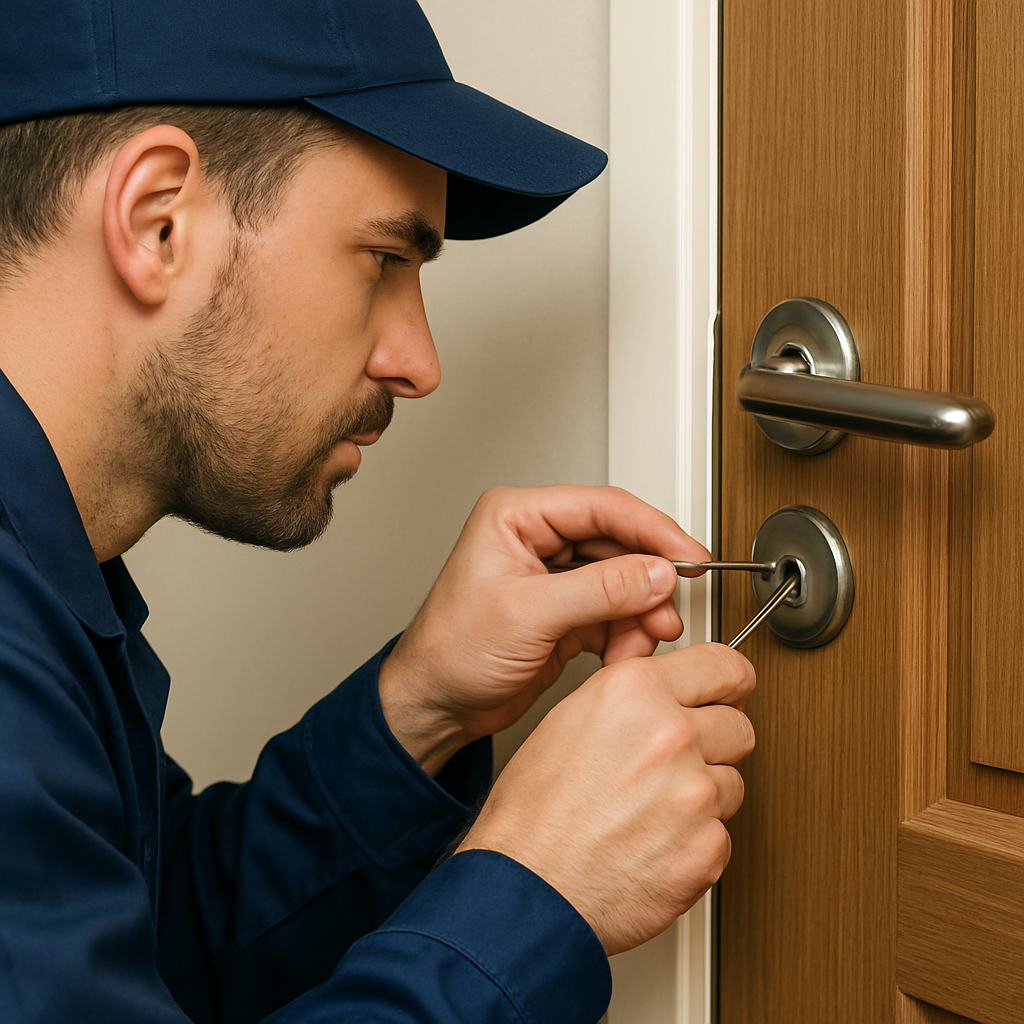
If the hardware is in good shape, rekeying is fast and economical, yet it keeps the same physical locks. Installing new cylinders swaps the core and provides a near-full reset of keys while leaving the original trim and latch in place. Switching to a controlled-key system or restricted keyway increases administrative control and reduces duplication risk, but those systems cost more and can require owner approval in leased spaces. Electronic locks or badge systems remove many physical key headaches and provide logs, yet they require upfront investment and ongoing technical maintenance.
How a 24 hour locksmith Orlando service can help after hours
When you call a professional 24 hour locksmith Orlando teams, expect them to arrive with parts and a plan for limiting downtime. They can perform temporary measures such as installing a temporary cylinder, securing high-value areas, and scheduling full changes during daylight where necessary. Ask about liability insurance, commercial references, and whether they can work with your insurer, because paperwork matters after a loss.
Handling master keys and multi-tenant situations in practical terms
Because master systems interrelate, piecemeal changes risk gaps unless the system is fully analyzed and mapped. A full system rekey yields a clean slate where each key level is locksmithunit.com change locks verifiable, at the expense of higher immediate costs. Consult management and leases to avoid breaching tenant rights when you change shared access or common-area hardware.
Real-world scenarios where restricted keyways saved a business
By enforcing a restricted keyway, duplication becomes a managed process requiring permissions and vendor oversight. In one real case, moving to restricted blanks made it impossible for ex-employees to obtain duplicates, which reduced repeat loss incidents. The downside is cost and vendor dependency; restricted systems cost more and you will rely on authorized dealers for future key copies and changes.
Practicalities of moving from mechanical keys to electronic credentials
Electronic credentials provide immediate revocation and entry logs, which address many of the weaknesses of physical keys. When you go electronic, add battery backups, service agreements, and tested failover plans because hardware and network outages can otherwise create lockouts. Phase the conversion by prioritizing high-value areas first, allowing you to spread cost and test workflows before committing sitewide.
Training staff and tightening procedures after an incident
A clear key control policy binds staff to check-in/check-out rules, inventory requirements, and lost-key reporting procedures. Teach employees the reasons behind restricted key policies and the exact steps to report lost or suspicious key activity to ensure fast containment. Store high-risk keys in a locked cabinet with a sign-out log or an electronic key management box to track who had which key and when.
Estimating costs and schedules from field experience
Expect small rekeys to be fast and cheap, but a master-system overhaul to require more time and money depending on door counts. Restricted-key hardware and electronic access add hardware and administrative fees up front, though they lower long-term operational risk and duplication costs. After-hours service carries premium fees, but rapid response can avoid inventory loss or liability that would be far costlier.
A field example showing trade-offs and choices in practice
A boutique I worked with misplaced a master key late on a Saturday and called an emergency locksmith who promised to secure the store until Monday morning. Temporary cores and added secondary locks bought time until a full system rekey could be scheduled, a strategy that balanced security and budget. The staged response kept the store open, contained risk, and allowed the owner to plan a wider system change without immediate shutdown.
Vendor vetting checklist that actually matters
Ask whether the locksmith has commercial master-key experience, carries commercial parts, and can provide references from other business clients. Make sure they show insurance documentation and provide a written cost estimate that separates emergency labor from planned replacement work. Avoid contractors who dodge credential requests, provide weak timelines, or push pricey upgrades without a clear rationale.
A final practical checklist to follow after a key emergency
Make the first call to a commercial 24 hour locksmith Orlando provider who knows master systems and can act after hours. Move high-value inventory or lock it in an alternate secure container and write down the timeline and witness statements to preserve the record. Choose rekeying, cylinder replacement, or conversion to electronic access based on the key's reach and your risk appetite, and schedule the work promptly.
Fast containment, experienced technicians, and sensible long-term upgrades will convert a key incident into a manageable security project. After the incident, create a lean key control policy and pick a trusted vendor to make future responses routine and predictable. A site survey that maps doors, key levels, and tenant needs will give you a clear cost-benefit picture for rekeying, restricted keyways, or electronic conversion.